Longview Wordart Tie Dye: A Hand-Drawn Word Cloud for Authentic, Colorful Design
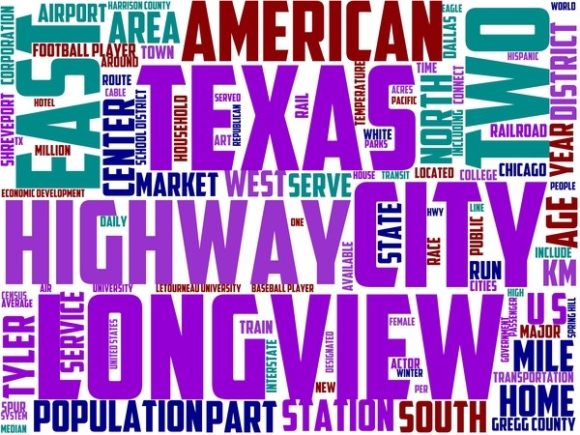
Longview Wordart Tie Dye is a distinctive digital design resource — not a font, not a stock photo, and not a generative AI output. It’s a hand-drawn, colorful wordcloud created with intentional texture, organic flow, and layered dye-like saturation. Each word is individually placed and stylized by hand, resulting in a cohesive yet lively composition that evokes spontaneity and warmth. Unlike algorithmically generated word clouds — which often prioritize frequency over aesthetics — Longview Wordart Tie Dye prioritizes visual harmony, readability, and emotional resonance.
What Sets Longview Wordart Tie Dye Apart
The most immediate differentiator is its tactile authenticity. Because it’s hand-drawn, the letterforms carry subtle variations in weight, spacing, and slant. Edges soften like watercolor bleed; colors blend as if applied with real dye on fabric. This gives the design an artisanal quality that scales well across both digital and physical applications — from small enamel pins to large-format wall posters.
It’s also purpose-built for versatility without compromise. The file includes high-resolution PNGs with transparent backgrounds and vector-based EPS/SVG options, allowing clean scaling for embroidery digitizing, screen printing, or laser-cut stencils. Unlike many decorative word clouds that lock words into rigid radial or circular layouts, Longview Wordart Tie Dye uses a fluid, asymmetrical arrangement — making it easier to crop, reposition, or integrate into custom layouts without losing balance.
How It Compares to Other Word-Based Design Resources
When evaluating word-based visuals, designers typically encounter three broad categories: algorithmic word clouds, typographic illustrations, and hand-crafted word art. Longview Wordart Tie Dye sits firmly in the third group — but with notable distinctions.
Algorithmic tools (like WordCloud or TagCrowd) generate layouts based on word frequency and preset shapes. They’re fast and free, but lack intentionality in color pairing, kerning, or spatial rhythm. You’ll often need significant manual cleanup to make them production-ready — especially for apparel or packaging where clarity and brand alignment matter.
Typographic illustrations — think bold, geometric arrangements built in Illustrator using fonts — offer precision and scalability but can feel sterile or overly corporate unless carefully curated. They rely heavily on font choice and spacing discipline, and rarely replicate the soft, immersive feel of analog media.
In contrast, Longview Wordart Tie Dye delivers expressive variety *by design*. Its color palette leans into saturated yet harmonious tones — think indigo bleeding into coral, mustard fading into sage — rather than flat, digitally uniform hues. That makes it particularly effective for wellness brands, creative workshops, educational materials, or lifestyle products where warmth and approachability are central.
Practical Use Cases and Real-World Fit
Because of its resolution independence and stylistic flexibility, Longview Wordart Tie Dye works across a wide range of tangible and digital outputs. Here’s where it consistently performs well:
- Clothing and textiles: Screen-printed on cotton tees or embroidered on tote bags, the organic line work translates cleanly at multiple sizes — unlike tightly spaced algorithmic clouds that blur or lose legibility when scaled down.
- Promotional printables: Flyers, postcards, and brochures benefit from its visual density without overwhelming supporting text. Its layout leaves natural breathing room for headlines or calls to action.
- Home décor and stationery: Applied to ceramic mugs, woven pillows, or notebook covers, the hand-drawn texture reinforces a handmade aesthetic — aligning with consumer expectations for artisanal goods.
- Digital content: Used in social media banners or e-book chapter headers, it adds visual distinction without competing with interface elements. Its transparency support means it layers cleanly over photos or gradients.
That said, it’s not universally optimal. For highly technical or data-driven contexts — say, a scientific conference program where precise terminology hierarchy matters — a more structured, minimalist typographic layout may communicate more effectively. Similarly, if your project requires strict brand color matching (e.g., Pantone-referenced corporate identity), you’ll need to adjust the included colors manually — though the vector files make this straightforward in design software.
Tradeoffs to Consider Before Choosing
Like any specialized design asset, Longview Wordart Tie Dye involves tradeoffs rooted in intent and workflow:
- Customization vs. convenience: You can’t instantly swap in new words or change layout order without design software and some familiarity with vector editing. If you need fully dynamic, editable text (e.g., for automated invitation generation), a layered PSD or customizable Canva template may be more practical — even if less distinctive.
- Style alignment: Its vibrant, playful energy suits creative, wellness-oriented, or youth-facing audiences well — but may feel incongruous for law firms, financial services, or luxury goods emphasizing restraint and minimalism.
- Production readiness: While high-res and transparent, it isn’t pre-sized for every use case. You’ll still need to adapt dimensions for specific products (e.g., standard business card proportions or mug wrap templates). That’s typical for professional design assets — but worth noting if you’re working with tight deadlines or limited design support.
When Longview Wordart Tie Dye Is the Right Choice
This resource shines when authenticity, visual warmth, and cross-format consistency are priorities. It’s especially valuable for independent makers, small studios, educators, and event planners who want to elevate everyday items — from workshop handouts to festival merchandise — without outsourcing design or sacrificing personality.
Consider Longview Wordart Tie Dye if:
- You’re developing a cohesive visual language across multiple touchpoints (e.g., matching stickers, notebooks, and fabric banners for a summer camp).
- Your audience responds well to handmade aesthetics — whether they’re yoga instructors sourcing merch or teachers decorating classroom walls.
- You value time savings on initial concepting but still require full control over final placement, sizing, and color adaptation.
- You’re balancing budget constraints with quality expectations — it’s a one-time purchase with unlimited usage rights, avoiding recurring subscription fees or per-use licensing.
When Another Option Might Serve Better
If your goal is rapid iteration with zero design overhead — such as generating dozens of unique social media posts weekly — a customizable template system or AI-assisted tool may better match your pace, even if the results are less distinctive. Likewise, if your brand guidelines mandate strict typographic hierarchy or monochrome execution, a bespoke typographic illustration or custom lettering commission could deliver tighter alignment.
And while Longview Wordart Tie Dye supports multilingual text through manual editing, its original composition uses English vocabulary and Western character spacing. Adapting it extensively for non-Latin scripts (e.g., Arabic or Devanagari) would require skilled reinterpretation — not just translation.
Making an Informed Decision
Choosing design resources isn’t about finding the “best” option overall — it’s about matching strengths to your specific context. Longview Wordart Tie Dye excels where human touch, color depth, and adaptable charm matter more than algorithmic efficiency or rigid uniformity. It rewards thoughtful integration rather than drop-in convenience.
Before committing, ask yourself: Does this reflect the tone I want my audience to feel? Will it hold up across the formats I actually need — not just the ones shown in previews? Do I have the tools or support to adapt it where needed?
For many creators working at the intersection of craft, communication, and commerce, Longview Wordart Tie Dye provides a rare combination: expressive integrity, technical reliability, and quiet versatility — all without asking you to choose between personality and professionalism.