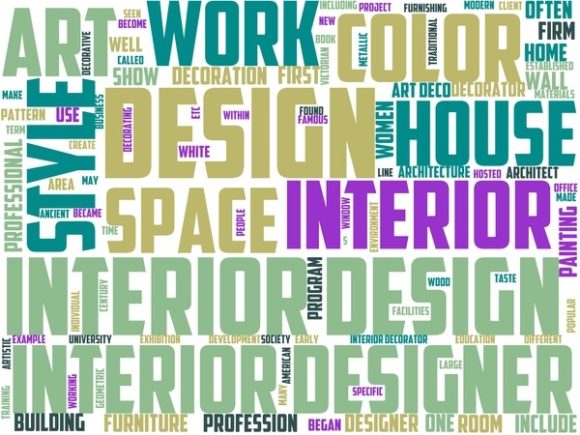
Interior Designer Wordart Wallpaper: A Flexible Design Resource for Creative Projects
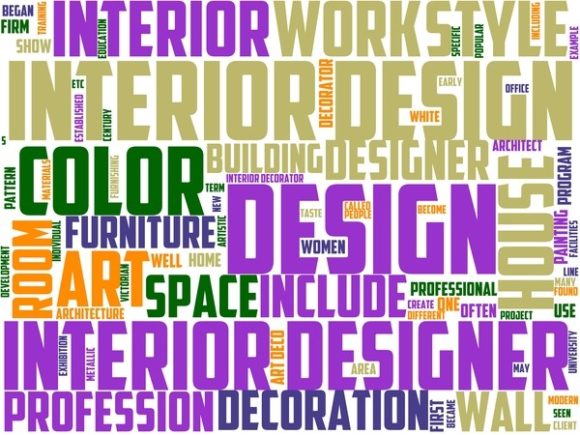
Interior Designer Wordart Wallpaper refers to a hand-drawn, colorful wordcloud design—crafted with intention and visual rhythm—that functions as a versatile graphic asset. Unlike standard wallpaper patterns or generic typography overlays, this style merges thematic vocabulary (e.g., “balance,” “texture,” “light,” “harmony,” “curves,” “sustainability”) with organic line work, layered color, and intentional spatial composition. It’s not just decorative text; it’s a curated visual language built for adaptability across physical and digital applications.
What Sets Interior Designer Wordart Wallpaper Apart
The distinction lies in its dual nature: it’s both content-rich and aesthetically resolved. Each instance is typically hand-illustrated—not algorithmically generated—giving it warmth, irregularity, and human nuance that machine-made word clouds lack. The words themselves are selected for relevance to interior design practice: terms related to process, materials, aesthetics, sustainability, client collaboration, and spatial thinking. That specificity makes it more than background filler—it carries meaning while supporting mood and message.
Its scalability and format flexibility also matter. Most versions are delivered as high-resolution PNGs with transparent backgrounds or vector-based EPS/SVG files, allowing clean use on everything from fabric prints to business cards. Because the layout avoids tight kerning or rigid grids, it resists pixelation when enlarged for wall murals—or shrinks gracefully for embroidery templates on linen pillow covers.
How It Compares With Other Design Resources
Interior Designer Wordart Wallpaper occupies a middle ground between purely typographic assets and illustrative pattern libraries. Compared to standard text-only word clouds, it offers stronger visual cohesion and stylistic control—no random font mixing or arbitrary sizing. Unlike traditional seamless wallpaper patterns, it conveys narrative rather than pure repetition, making it better suited for branded merchandise or educational printables where messaging matters.
When weighed against custom lettering illustrations, it provides faster turnaround and lower cost—but trades off bespoke wording or exclusive rights. A designer commissioning original hand-lettered quotes for a studio brand retains full ownership and uniqueness; Interior Designer Wordart Wallpaper offers consistency and speed, ideal for time-sensitive projects like event invitations or seasonal product launches.
It also differs from stock photo-based design elements. While those often rely on realism or photographic texture, this wordart leans into abstraction and symbolic representation—making it easier to layer over photos, integrate into layouts with minimal contrast conflict, or adapt for monochrome printing without losing legibility.
Strengths in Real-World Use Cases
- Clothing & accessories: Works well on tote bags, aprons, or enamel pins—its playful yet professional tone appeals to design-conscious consumers without feeling juvenile.
- Print & packaging: Adds character to notebook covers, gift tags, or eco-friendly product boxes where minimalism alone can feel sterile.
- Digital content: Serves as engaging background imagery for webinar slides, e-book chapter headers, or social media banners—especially when paired with short, resonant copy.
- Home décor & textiles: Translates effectively to pillow prints, framed art prints, or even stenciled wall treatments—particularly in studios, creative offices, or learning environments.
Tradeoffs and Practical Limits
Like any specialized design element, Interior Designer Wordart Wallpaper has boundaries. Its strength in thematic resonance becomes a limitation if your project requires industry-agnostic or highly technical terminology—say, HVAC specifications or structural engineering terms. Similarly, because the layout is pre-composed, editing individual words or reordering them isn’t always feasible without design software expertise.
Color variation is another consideration. While many versions offer multiple palette options (e.g., earthy neutrals, muted pastels, bold primaries), switching to a custom brand color may require manual recoloring in Illustrator or Photoshop—unlike some SVG-based assets with editable swatches.
Also worth noting: licensing terms vary. Some versions permit commercial use across unlimited products; others restrict resale of derivative physical goods unless extended rights are purchased. Always verify usage scope before applying to client-facing deliverables or mass-produced items like mugs or apparel lines.
When Interior Designer Wordart Wallpaper Fits Best
This resource shines when you need a ready-made, expressive visual anchor that communicates interior design values quickly—without investing in custom illustration or complex layout work. It’s especially valuable during early-stage ideation: designing a workshop handout, prototyping a new product line, or building a cohesive look for a small business launch.
Design educators find it useful for classroom posters explaining design principles. Boutique studios use it to reinforce brand voice across collateral—from proposal decks to Instagram stories. Crafters repurpose it for DIY home décor kits or printable planner inserts targeting design-savvy hobbyists.
It’s also practical for time-constrained scenarios: launching a limited-run collection before a trade show, creating last-minute promotional postcards for an open studio event, or refreshing seasonal packaging on a tight deadline.
When You Might Choose Something Else
If your goal is deep brand differentiation—such as launching a luxury interior firm where every visual touchpoint must feel singular and elevated—relying solely on pre-designed wordart may dilute perceived exclusivity. In those cases, pairing a commissioned logo with custom-tailored typographic elements often yields stronger long-term equity.
Similarly, if your audience expects strict accessibility standards (e.g., WCAG-compliant contrast ratios or screen-reader-friendly text hierarchy), a dense wordcloud—even a beautiful one—may not meet functional requirements without significant adaptation. Simplified icon-led systems or clearly structured infographics may serve better there.
For large-scale architectural visualization or BIM-integrated presentations, photorealistic renders or annotated floor plans carry more functional weight than symbolic word-based graphics. Interior Designer Wordart Wallpaper complements those tools but doesn’t replace them.
Making an Informed Choice
Evaluating Interior Designer Wordart Wallpaper isn’t about whether it’s “the best” option overall—it’s about whether it aligns with your current goals, constraints, and audience expectations. Ask yourself:
- Do I need a fast, meaningful visual shorthand that reflects interior design thinking—not just decoration?
- Will this be used across multiple formats (print, fabric, digital) where consistent scaling matters?
- Is thematic resonance more important than absolute uniqueness or technical precision?
- Do I have the tools or support to adjust colors or isolate elements if needed—or am I seeking plug-and-play usability?
There’s no universal answer. A solo maker producing handmade ceramic tiles might prioritize tactile texture over layered typography. A university program developing student resource guides may benefit more from clear, hierarchical information design than evocative word arrangements. But for designers, educators, crafters, and small studios seeking an accessible, expressive, and adaptable visual tool—Interior Designer Wordart Wallpaper remains a thoughtful, grounded choice among available resources.