Interior Decorator Wordart Wallpaper: A Flexible Design Resource for Creative Professionals and DIY Enthusiasts
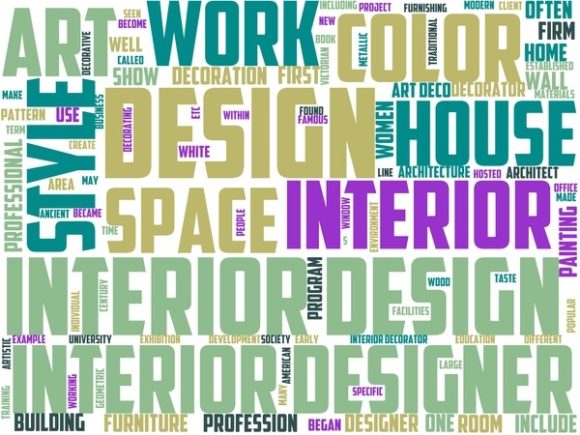
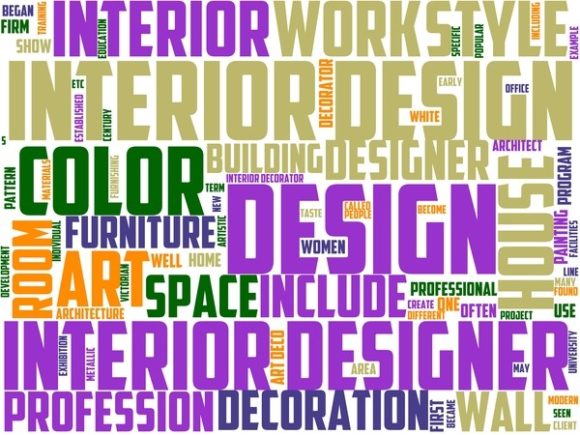
Interior Decorator Wordart Wallpaper refers to a specific category of digital design assets: hand-drawn, colorful wordclouds crafted with interior design themes in mind—think “serene,” “balance,” “texture,” “warmth,” “curated,” or “layered.” Unlike generic typography overlays or stock photo backgrounds, this style combines intentional vocabulary with expressive, organic linework and thoughtful color palettes. It’s delivered as high-resolution, scalable vector or PNG files, optimized for both digital and print use across diverse physical and digital products.
What Sets Interior Decorator Wordart Wallpaper Apart
The distinction lies in its dual focus: thematic relevance and craft-driven execution. While many wordcloud generators produce algorithmic layouts based on frequency alone, Interior Decorator Wordart Wallpaper is curated—not computed. Each word is selected for resonance within interior design practice and aesthetics. The hand-drawn quality adds warmth and authenticity, avoiding the sterile uniformity of AI-generated or font-based alternatives. This makes it especially effective where personality, intentionality, and visual storytelling matter: branding for boutique studios, mood board elements, client presentation materials, or artisanal product labeling.
Unlike standard wallpaper patterns (e.g., damasks, geometrics, or botanical repeats), Interior Decorator Wordart Wallpaper doesn’t rely on repetition or symmetry. Instead, it uses spatial rhythm, contrast in weight and scale, and strategic negative space to guide the eye—functioning more like a graphic illustration than a background texture. That flexibility allows it to serve both as a subtle backdrop and a focal point, depending on application and scaling.
How It Compares With Other Design Approaches
When evaluating resources for interior design–themed visuals, creators often consider several options:
- AI-generated word clouds: Fast and customizable, but typically lack stylistic cohesion, typographic nuance, or domain-specific vocabulary curation. They may prioritize density over readability or emotional tone—making them less suitable for premium or client-facing materials.
- Typography-only overlays: Clean and modern, but often feel impersonal or overly minimal. Without illustrative texture or intentional color harmony, they can fall flat in tactile applications like fabric printing or ceramic decals.
- Illustrated quote graphics: Rich in voice and context, yet usually built around full sentences or phrases. Interior Decorator Wordart Wallpaper offers more modular utility—individual words can be isolated, rearranged, or layered without breaking compositional integrity.
- Traditional pattern-based wallpapers: Excellent for wall installations or textile repeats, but less adaptable for small-format items (e.g., business cards, enamel pins, or sticker sheets) where legibility and thematic clarity are paramount.
This isn’t about superiority—it’s about fit. Interior Decorator Wordart Wallpaper excels where conceptual clarity, human touch, and cross-format versatility intersect. It’s not ideal for large-scale architectural renderings or photorealistic mockups, but it shines in contexts that benefit from layered meaning and visual warmth.
Practical Use Cases and Real-World Applications
Designers and makers report consistent success using Interior Decorator Wordart Wallpaper across three broad categories:
- Client-facing communication: Printed on presentation boards, woven into proposal PDFs, or animated subtly in pitch decks. Its vocabulary reinforces brand values (“intentional,” “harmonious,” “grounded”) without overt messaging—supporting tone rather than replacing copy.
- Product development: Applied to cotton canvas tote bags, ceramic mug wraps, linen pillow covers, or foil-stamped notebook covers. Because the artwork is hand-drawn and color-balanced, it translates well to screen printing, sublimation, and direct-to-garment methods—retaining character even at smaller sizes.
- Craft and education resources: Used in downloadable printables for interior design workshops, mood board kits, or student workbooks. Educators appreciate how the words spark discussion about design principles while offering immediate visual appeal.
A textile designer in Portland, for example, used a variant centered on “natural,” “organic,” “airy,” and “soft” to develop a capsule collection of upholstery fabrics. Rather than printing the full wordcloud, she extracted individual letterforms to create custom embroidery motifs—demonstrating how the resource supports both literal and interpretive reuse.
Strengths, Limitations, and Decision Factors
Key strengths include adaptability across media, ease of integration into existing workflows (no special software required), and strong alignment with current preferences for authentic, non-generic visual language. Because it’s pre-designed but not prescriptive, users retain full control over cropping, recoloring, layering, and scaling.
Limitations are worth noting. It does not replace custom illustration or bespoke typography for high-stakes branding projects requiring unique IP. It also assumes a degree of design literacy—the user must understand how to balance text density with surrounding elements, especially when combining it with photography or complex layouts. Those new to layout fundamentals may find it more challenging to deploy effectively without some experimentation or reference examples.
Consider Interior Decorator Wordart Wallpaper if you:
- Need a cohesive visual thread across multiple product types (e.g., matching workshop handouts, social media banners, and merchandise);
- Value time efficiency without sacrificing aesthetic distinction;
- Work with clients who respond well to evocative, value-driven language made visible;
- Prefer assets that support both analog and digital production methods.
It may be less appropriate if your project demands strict adherence to a corporate brand manual with fixed typefaces and color codes—or if your audience expects photorealism, data visualization, or highly technical diagrams.
Making an Informed Choice Among Alternatives
Before selecting any design resource, ask: What problem am I solving? Is this about reinforcing identity, supporting instruction, enhancing product appeal, or streamlining production? Interior Decorator Wordart Wallpaper answers best when the goal is expressive consistency—not technical precision or mass scalability.
Compare it not just by appearance, but by workflow compatibility. Does it import cleanly into your preferred design tools? Can it be licensed for commercial use across your intended outputs (e.g., printed stationery + digital course materials)? Are color variants included, or will you need to adjust hues manually? Reputable providers supply transparent usage terms, RGB/CMYK values, and layered source files—details that affect long-term usability far more than initial visual impact.
Also weigh longevity. Trends shift quickly, but hand-drawn typographic art rooted in enduring design principles tends to age well. A wordcloud built around “clutter-free,” “calm,” and “anchored” remains relevant whether applied to a 2024 wellness studio brochure or a 2027 home staging toolkit—unlike trend-dependent motifs such as “cottagecore” or “biophilic” that may narrow over time.
In summary, Interior Decorator Wordart Wallpaper occupies a thoughtful middle ground: more intentional than automated tools, more flexible than static illustrations, and more conceptually grounded than decorative fonts. Its value emerges not in isolation, but in how seamlessly it connects ideas, aesthetics, and applications—making it a quietly powerful asset for those who design spaces, experiences, and objects with care.