Ideology Wordart Banner: A Strategic Design Asset for Purpose-Driven Creators
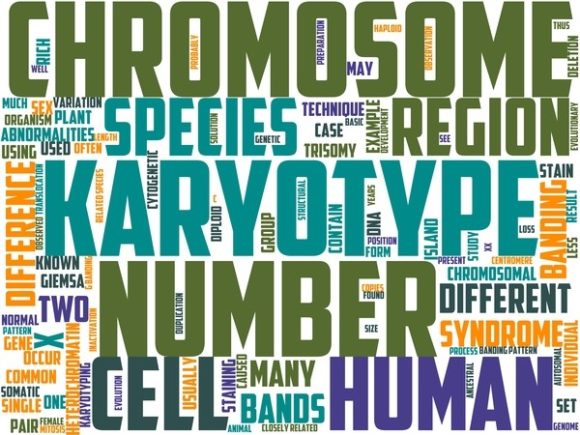
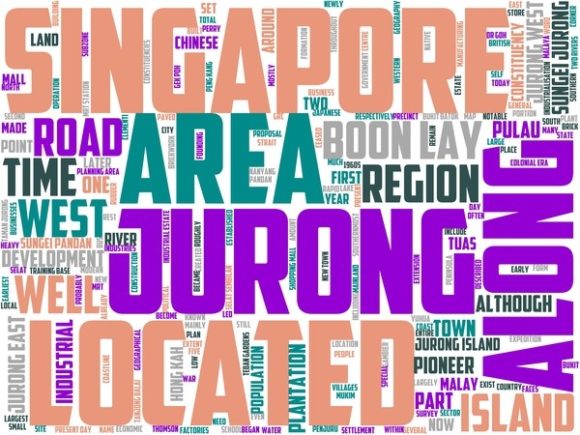
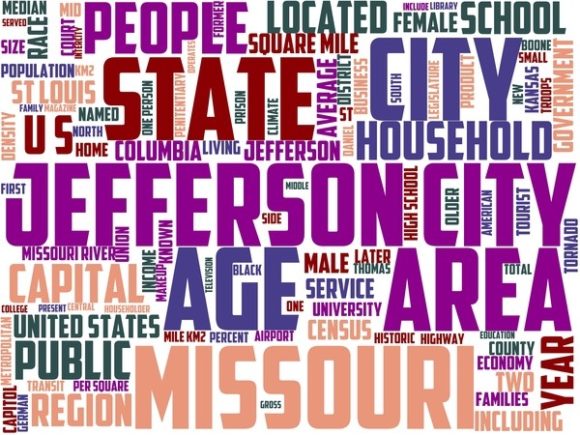
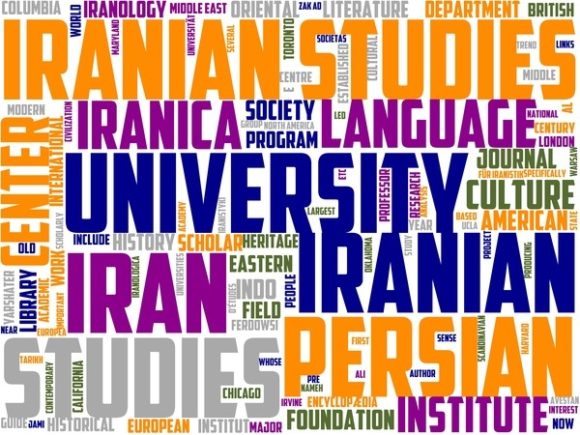
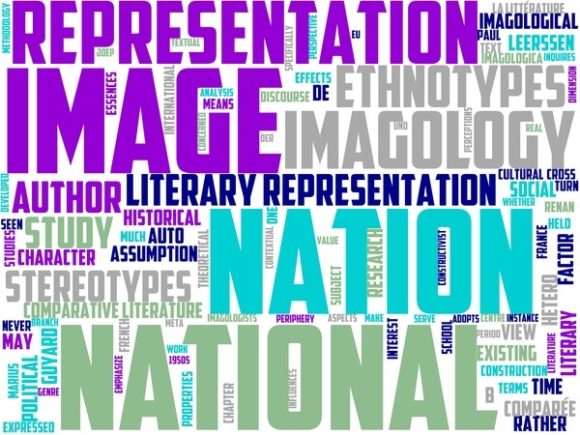
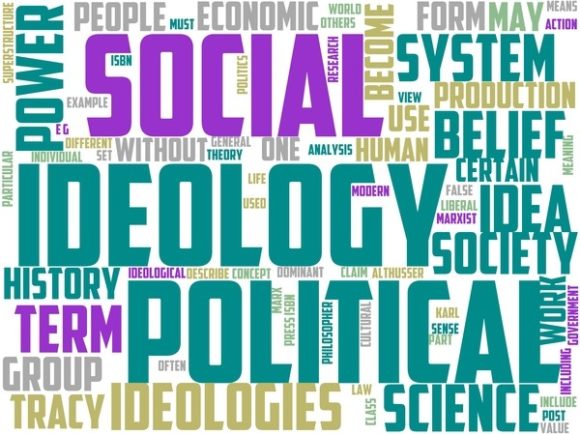
At its core, the Ideology Wordart Banner is more than decorative typography—it’s a visual distillation of meaning. Hand-drawn, intentionally colorful, and rich in layered vocabulary, it transforms abstract values, missions, or themes into a cohesive, scalable design element. Unlike generic clipart or algorithmically generated word clouds, this banner is crafted with compositional balance, typographic rhythm, and chromatic intentionality—making it uniquely suited for applications where authenticity and resonance matter.
Why Strategic Intent Matters More Than Aesthetic Appeal
Many creators reach for the Ideology Wordart Banner because it looks vibrant and “on-brand.” But its real strategic value emerges only when aligned with a clear purpose: reinforcing a message, anchoring an identity, or guiding perception. For example, an educator designing a classroom poster doesn’t just need color—they need language that reflects pedagogical values like curiosity, equity, and resilience. The banner delivers those words visibly and emotionally, without requiring explanation.
Similarly, a small business owner launching a sustainable apparel line can use the Ideology Wordart Banner not as background filler—but as a deliberate signal. Words like *ethics*, *craft*, *renew*, and *community* placed prominently on tags, packaging, or website headers communicate positioning faster than paragraphs of copy. That’s not decoration; it’s visual shorthand grounded in strategy.
When to Use the Ideology Wordart Banner—And When to Pause
The Ideology Wordart Banner excels in contexts where clarity, consistency, and emotional resonance converge:
- Brand touchpoints—business cards, email footers, or social media banners where first impressions shape credibility;
- Educational and advocacy materials—workshop handouts, conference programs, or nonprofit campaign assets where shared language builds alignment;
- Product-driven creativity—textile patterns, notebook covers, or ceramic mug designs where words become part of the object’s functional identity;
- Internal culture tools—team wall art, onboarding kits, or meeting agendas where lived values—not slogans—need reinforcement.
But deploying it without intention carries risk. Slapping the Ideology Wordart Banner onto a flyer with no connection to the event’s actual content dilutes trust. Using it across every marketing channel without variation flattens voice and weakens recall. And selecting words based on trendiness rather than lived practice invites skepticism—especially among discerning audiences aged 30–50 who prioritize substance over surface.
Three Practical Filters Before You Apply It
Before integrating the Ideology Wordart Banner, ask yourself:
- Does the word selection reflect what we actually do—not just what we wish we did? If “transparency” appears in your banner but internal pricing or sourcing policies remain opaque, the dissonance will register, even unconsciously.
- Is this placement supporting a specific action or understanding? On a workshop registration page, the banner should echo the learning outcomes—not just “look inspiring.” On a product tag, it should reinforce material origin or craftsmanship ethos.
- Will this hold up over time—or does it rely on momentary sentiment? Words tied to short-term campaigns (“launch,” “limited”) age quickly. Values-based terms (“integrity,” “clarity,” “care”) sustain relevance across years of iteration.
How to Adapt It Without Losing Its Core Strength
The Ideology Wordart Banner isn’t static—it’s modular by design. Its hand-drawn quality means it responds well to thoughtful adaptation:
- Color modulation: Swap the palette to match seasonal branding or accessibility needs (e.g., higher contrast for printed programs), but retain the original saturation balance so vibrancy remains intentional—not accidental.
- Word substitution: Replace one or two terms to reflect evolving priorities—say, shifting from “growth” to “stewardship” in a sustainability report—while keeping the majority of the cloud intact for continuity.
- Layout integration: Anchor it beside photography or data visuals rather than isolating it. A banner reading “evidence,” “story,” and “impact” gains weight when placed next to a chart showing community outcomes—not when floating alone on a white background.
This adaptability makes the Ideology Wordart Banner especially valuable for freelancers and educators who manage multiple clients or courses. One base file becomes a flexible system—not a one-off graphic.
Long-Term Value: Beyond the First Print Run
Consider how the Ideology Wordart Banner functions across your workflow over time. A designer using it for client proposals might begin with a broad version (“innovation,” “collaboration,” “results”)—then refine the word set per project: “accessibility,” “compliance,” “inclusion” for a public sector engagement; “play,” “discovery,” “agency” for an early-learning curriculum.
That kind of iterative use builds a living archive of language—not just visuals. Over 12–18 months, reviewing which words recur across banners reveals implicit priorities. If “equity” appears in seven distinct projects but never appears in internal team documents, that gap signals an opportunity—not a failure.
For publishers and content creators, the Ideology Wordart Banner also serves as a quiet editorial compass. When commissioning essays or curating features, editors can refer back to their banner’s core terms to assess thematic cohesion. Does this article deepen “curiosity”? Does that interview model “courage”? That subtle alignment strengthens publication identity without rigid formulas.
A Note on Craft and Context
The hand-drawn nature of the Ideology Wordart Banner matters strategically—not just aesthetically. In a digital landscape saturated with AI-generated uniformity, its slight irregularities signal human judgment, care, and time invested. That subtext supports trust-building, particularly with audiences skeptical of polished-but-impersonal messaging.
But craft without context is inert. A beautifully rendered banner featuring “authenticity” and “voice” means little on a corporate brochure that avoids first-person language or concrete examples. The power lies in the pairing: visual language + verbal language + behavioral evidence.
So before you place the Ideology Wordart Banner on a t-shirt, consider: What experience will someone have wearing it? Will it spark conversation—or just sit as ornament? Before applying it to a book cover, ask: Do the chapters deliver on the promise embedded in those words? That level of alignment separates memorable design from forgettable decoration.
Getting Started—Without Overcommitting
You don’t need to overhaul your entire brand system to begin using the Ideology Wordart Banner effectively. Start small and observational:
- Print one version and hang it where you plan—your desk, studio wall, or team Slack header—and notice what conversations it invites.
- Use it in one upcoming deliverable (a workshop agenda, client welcome kit, or newsletter banner) and track whether recipients reference the words organically in feedback.
- Compare it side-by-side with your mission statement or core values document. Where do they converge? Where do they diverge? That tension is useful data—not a problem to fix.
Over time, the Ideology Wordart Banner becomes less of a “design asset” and more of a reflective tool—a mirror held up to how clearly you’re communicating what matters most. And that kind of clarity, consistently applied, compounds in ways templates and trends never can.