Kawaihae Wordart Tumbler
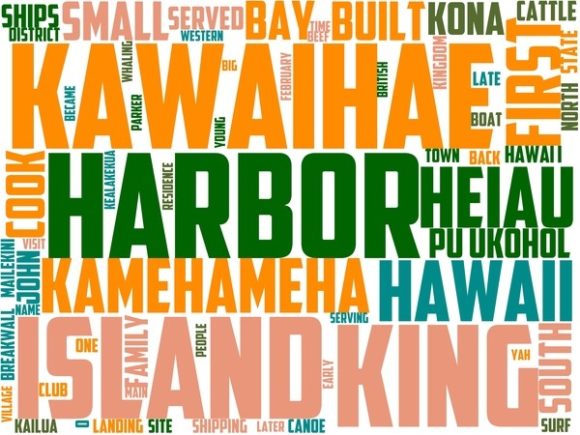
If you've seen the Kawaihae Wordart Tumbler pop up in design marketplaces or craft communities, you’re not alone. It’s a vibrant, hand-drawn word cloud — not just text, but a carefully composed visual motif inspired by the spirit of Kawaihae on Hawai‘i Island: warm, grounded, culturally resonant, and full of quiet intention. Unlike generic word clouds generated by algorithms, this one is crafted by hand — each letter shaped with care, colors layered thoughtfully, and spacing designed for rhythm and balance. That makes it especially valuable for creators who want authenticity without sacrificing versatility.
People reach for the Kawaihae Wordart Tumbler when they need more than decoration — they need meaning that lands. Whether you're printing it on a yoga mat, embroidering it onto a tote bag, or layering it into a workshop flyer, the design carries warmth and invitation. It’s used by educators building classroom posters, small-batch makers labeling artisanal goods, wedding planners designing custom invites, and even therapists creating calming wall art for waiting rooms. Its strength lies in how easily it bridges personal expression and professional polish.
Common Missteps — and How to Avoid Them
Despite its appeal, many people unintentionally limit what the Kawaihae Wordart Tumbler can do — or worse, compromise their final product — because of assumptions made early on. Here’s where things often go off track:
Assuming “hand-drawn” means “low-res” or “uneditable”
Some buyers download the file expecting only a JPG and are surprised to find it doesn’t scale cleanly for large-format prints — or worse, they try to recolor it in Canva and end up with muddy, pixelated results. The Kawaihae Wordart Tumbler is typically delivered as a vector (AI or EPS) *and* high-res PNG, but not all sellers include both — and not all platforms make that clear upfront. If you plan to resize it for banners, apparel, or signage, always confirm vector availability before purchase. A quick test? Zoom in 400% in your design app — if edges stay sharp, you’ve got vector. If they blur or stair-step, you’re working with raster only.
Overlooking color mode and intended use
This word cloud was designed with screen and print in mind — but those two worlds require different color handling. If you’re using it for fabric printing (like on t-shirts or pillow covers), CMYK-optimized files yield truer tones than RGB. Yet many designers grab the default RGB version, assume it’ll translate, and end up with washed-out teals or dull corals on finished products. Check whether your vendor offers CMYK variants — or better yet, ask if they can provide Pantone references if you’re matching brand colors precisely.
Treating it like clip art instead of a design system element
The Kawaihae Wordart Tumbler isn’t meant to stand alone in every context. Its charm comes from contrast: soft backgrounds, ample white space, complementary typography. One common mistake is dropping it onto busy patterns or dark gradients without adjusting contrast or adding subtle drop shadows or light halos. The result? A beautiful design that disappears. Try this instead: place it on a matte kraft paper texture for packaging, or pair it with a clean sans-serif headline in charcoal gray for a workshop poster. Let it breathe — don’t crowd it.
Misjudging licensing scope
Most versions of the Kawaihae Wordart Tumbler come with extended licenses — but “extended” doesn’t automatically mean “unlimited commercial use across all mediums.” Some licenses exclude merchandise resale (e.g., printing it on mugs to sell), while others restrict digital distribution (e.g., including it in an editable Canva template you sell). Always read the license summary *before* adding to cart — and when in doubt, email the creator. Reputable sellers respond quickly and clarify boundaries honestly. Skipping this step could delay a product launch or trigger a takedown request later.
What to Check Before You Download or Buy
You don’t need to be a design expert to use the Kawaihae Wordart Tumbler well — but a few quick checks go a long way:
- File formats included: Look for AI, EPS, SVG, and at least one high-DPI PNG (300+ DPI). Avoid listings offering only low-res JPGs unless you’re using it strictly for social media thumbnails.
- Color accuracy: Does the preview show true-to-life saturation? Compare swatches against known Pantone or HEX values if provided. If no reference is given, ask.
- Scalability proof: Reputable sellers often include zoomed-in details in previews. If you don’t see crisp line work at 200%, assume it may not hold up for large-scale applications.
- Licensing clarity: Phrases like “for personal use only” or “commercial use allowed with credit” aren’t enough. Look for explicit mentions of merchandise, SaaS templates, or print-on-demand usage.
- Creator background: Search the designer’s name. Do they share process sketches? Client examples? Teaching resources? Real experience shows in attention to detail — and often in thoughtful support.
Better Ways to Use It — Without Overcomplicating Things
You don’t need advanced software to get great results. Here are realistic, low-barrier approaches that professionals and beginners alike rely on:
- For educators: Import the vector into Google Slides, ungroup elements, and change individual words to reflect lesson themes (e.g., swap “mindfulness” for “resilience”). Keep original colors intact — they’re calibrated for readability.
- For small business owners: Use the PNG version in Cricut Design Space or Silhouette Studio. Set cut lines to “print then cut” for precise iron-on transfers on aprons or shop towels — no tracing needed.
- For bloggers and content creators: Layer the word cloud over neutral-toned photos in Lightroom or Snapseed. Reduce opacity to 25–40% and set blend mode to “Overlay” — it adds texture without competing for attention.
- For print-on-demand users: Upload the vector directly to Printful or Gelato. Their systems auto-convert to print-ready formats — but only if your file is truly vector-based. Test with a small run first.
The Kawaihae Wordart Tumbler works best when treated as a collaborative tool — not a shortcut. It rewards intention: choosing the right size for your surface, honoring its color integrity, and letting its organic flow guide your layout decisions. When you do, it becomes more than decoration. It becomes part of your voice.