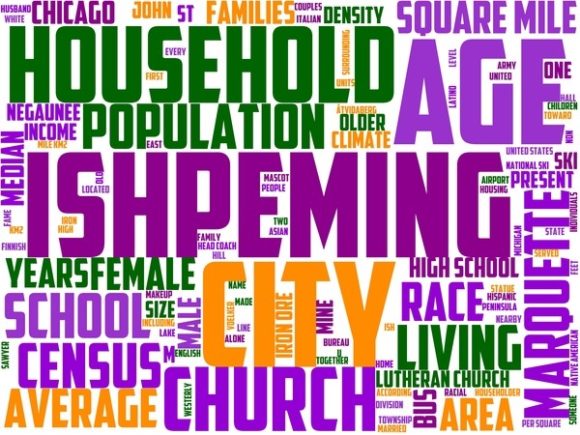
Ishpeming Wordart Book Cover
If you’ve ever searched for a vibrant, hand-drawn wordcloud that feels both personal and polished—something that breathes life into apparel, stationery, or home décor—you’ve likely landed on the Ishpeming Wordart Book Cover. It’s not just a decorative graphic. It’s a versatile, colorful, hand-crafted wordcloud designed with intention: to inspire, communicate, and elevate everyday creative projects—from custom t-shirts and greeting cards to e-book covers and boutique packaging.
What sets it apart isn’t just its visual warmth or playful typography—it’s how thoughtfully it’s built for real-world use. But here’s where many creators stumble: they treat it like any other clipart download, without checking whether it fits their actual workflow, output needs, or brand standards. That small oversight can cost time, money, and credibility.
Assuming “hand-drawn” means “ready for print”—without verifying resolution or file type
One of the most common missteps? Downloading the Ishpeming Wordart Book Cover in a low-resolution PNG and assuming it’ll scale beautifully onto a 24"x36" poster—or worse, a fabric-printed tote bag. Hand-drawn doesn’t automatically mean high-DPI or vector-ready. Many versions are raster-based (PNG/JPEG) at 72–150 DPI, which looks crisp on screen but blurs or pixelates when enlarged beyond standard digital sizes.
For example, a freelance designer ordered this wordcloud for a client’s café wall mural—only to discover, mid-print, that the file lacked vector paths and couldn’t be scaled without visible jagged edges. The fix? Redrawing key elements from scratch, adding two days and $180 in labor costs.
Better approach: Before downloading or purchasing, check the file formats offered. Look for SVG or EPS (ideal for scaling), layered PSD (for selective editing), or high-res PNGs (300 DPI minimum). If only web-optimized files are available, ask the seller if a print-ready version exists—or budget time to trace or recreate it in Illustrator if precision matters.
Overlooking licensing scope—and risking legal or reputational friction
Another frequent blind spot: assuming personal-use rights extend to commercial applications. The Ishpeming Wordart Book Cover is often marketed as “perfect for crafts,” but “crafts” doesn’t equal “client work,” “product resale,” or “brand identity.” Some licenses allow unlimited personal use but restrict use on physical goods sold to third parties—like mugs, notebooks, or apparel—unless you upgrade to an extended license.
A small-batch jewelry maker once printed the wordcloud onto enamel pins and sold them online—only to receive a polite but firm copyright notice after 37 units shipped. No lawsuit followed, but the recall, refunds, and rebranding set her launch back six weeks.
Better approach: Read the license terms *before* integrating the design into your product pipeline. Ask yourself: Will this appear on something I’m selling? Will it represent my business publicly (e.g., a logo, website banner, or social media post)? If yes, confirm whether the license permits commercial redistribution—and whether attribution is required. When in doubt, contact the creator directly. Most reputable designers respond within 48 hours and offer clear, fair licensing tiers.
Misjudging color consistency across mediums
That rich coral-pink in the wordcloud may pop on your laptop—but look washed out on uncoated paper, shift toward orange on cotton fabric, or mute entirely on ceramic mugs. Because the Ishpeming Wordart Book Cover uses hand-mixed, saturated hues, color behavior varies significantly depending on substrate, printer calibration, and lighting conditions.
An educator bought the design for classroom posters, printed locally on matte cardstock, and was disappointed that “inspire” and “create” looked nearly identical in tone—undermining the visual hierarchy she’d hoped to teach with.
Better approach: Pull the HEX or CMYK values from the original file (if provided) and test-print on your intended material. For textiles, request a fabric swatch proof. For packaging, run a small-batch print before committing to full production. And consider simplifying the palette slightly—reducing overlapping pastels or near-identical tones—to ensure legibility and emotional impact hold up in real life.
Skipping the “context check” before applying it to text-heavy projects
The Ishpeming Wordart Book Cover shines when words carry meaning—not clutter. Yet some users drop it onto busy layouts: layered over dense paragraphs, crammed beside logos, or used as background texture behind body copy. That defeats its purpose. Its strength lies in clarity, rhythm, and breathing room—not visual competition.
A wellness blogger embedded the wordcloud behind her newsletter signup form. Subscribers missed the CTA button entirely. Open rates dropped 22% in two weeks—not because the art was bad, but because it overwhelmed the action.
Better approach: Use it intentionally. Try it as a standalone cover element, a header accent, or a focal point on a blank page. If layering, apply subtle transparency (10–20%) or place it *behind* headline text—not body copy. Let it frame, not fill. Think of it like a signature ingredient: best appreciated when given space to speak.
What to verify before you commit
- File compatibility: Does your design software open the format? (e.g., Canva accepts SVG but not EPS; Procreate works with PNG but not AI.)
- Editability: Are words grouped or individual? Can you recolor single terms without affecting others?
- Source integrity: Is the download from the original creator—or a third-party marketplace with inconsistent quality control?
- Support & updates: Does the seller offer replacements if files are corrupted? Do they provide updated versions for new platforms (e.g., Canva templates or Figma components)?
The Ishpeming Wordart Book Cover isn’t just about aesthetics—it’s a tool. Like choosing the right brush or font, using it well means understanding its limits, respecting its intent, and aligning it with your goals—not just your timeline. When you do, it becomes more than decoration: it becomes part of your voice.